
Everything
You Need
To Know About
Hemp
What is Hemp?
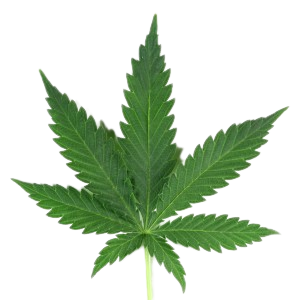
Hemp, also known as ‘industrial hemp’, is a non-psychoactive variety of cannabis Sativa which is usually found in the northern hemisphere. Nobody knows how and where it was originated but historical records trace its origins to the Himalayan region in Asia.
There are various varieties of the cannabis plant—cannabis Sativa, cannabis indica, and cannabis ruderalis. Cannabis as a drug and industrial hemp are both derived from the species cannabis Sativa and both contain the psychoactive component tetrahydrocannabinol (THC). It contains lower concentrations (less than 1%) of THC and higher concentrations of CBD (cannabidiol), which means it can do a lot good for you instead of getting you high.
What is Hemp Seed??
Hemp seeds, also known as ‘hemp hearts’, are small brown seeds that are rich in protein, soluble and insoluble fiber, and healthy fatty acids such as omega-3 and omega-6. Technically a nut, these small, crunchy seeds are safe to consume and contain only low traces of THC.
They have a very high anti-oxidant effect and are believed to improve heart health and reduce symptoms of ailments related to skin and joints. These seeds can be added to your meals as a whole or consumed in the form of powder for a well-balanced diet.
What is Himalayan Hemp?
Himalayan hemp is coming to the forefront after a string of controversies linking it to marijuana in the wrong way. The level of psychoactive substance, THC, found in the Himalayan hemp flowers is typically between 0.2% and 0.3% as compared to THC levels of 4% to 5% in marijuana.
Himalayan hemp is a climate-adaptive crop that can grow from 40 cm-4 m in height depending upon the seed variants, water availability, rainfall, and other climatic conditions. Soil rich in nitrogen and temperature variation of 15-25 degrees is preferred for its cultivation and speedy growth of the plants.
What are the differences between hemp and CBD Oil?
Hemp seed oil and CBD oil differ in the part of the plant they come from and how they are used.
Hemp oil is extracted from hemp seeds. The plant contains low levels of cannabinoids including two most commonly known—THC and CBD. This oil is obtained by cold-pressing hemp seeds similar to how olive and coconut oil are obtained.
The extracted oil does not contain any THC since there is no THC in the seeds. There may be some small traces due to plant matter sticking to the seeds during the extraction process. However, modern commercial methods of oil extraction decontaminate seeds by 99.99%.
Nowadays in the market, you may even find oils that are extracted from various parts of the hemp plant; they contain some amounts of THC or CBD but are still labeled as hemp oils since they are extracted from hemp plants. This information is usually printed on the bottle. As a consumer, it is important to diligently read the information on the bottle before purchasing it especially if you are concerned about CBD and THC-free products.
Hemp oil should be used as garnishing oil rather than cooking oil similar to extra virgin olive oil. You may drizzle it on salads, pasta or side dishes. It has multiple uses, from being a vitamin supplement to being an important ingredient in cosmetics.
On the other hand, CBD oil contains a high concentration of cannabidiol. This oil is extracted from hemp that is specifically cultivated to be high in CBD. This makes the ratio of CBD to THC much higher and ideal for making CBD oil (also known as CBD hemp oil). This oil is typically produced using an ethanol or CO2 extraction process to obtain cannabinoid-rich oil from industrial hemp plants, which produces very different effects when compared to traditional hemp oil.
CBD oil is usually used for medicinal purposes as it works through the endocannabinoid system (ECS). ECS is responsible for keeping the body in a state of balance by impacting hormone production, mood, sleep, pain, appetite, and immune response.
CBD also helps to stimulate the body’s natural cannabinoid production to maintain the efficiency of the receptors and the optimal function of the endocannabinoid system.